





The Real Benefits of a Tankless Water Heater

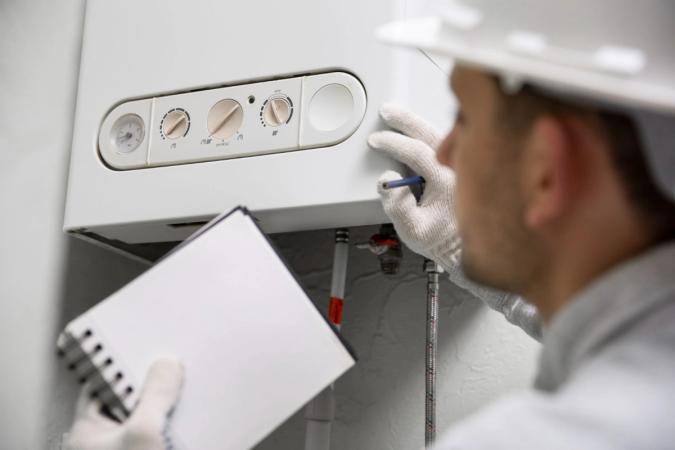
A tankless water heater cuts your standby energy loss, gives you hot water that doesn't run out mid-shower, and lasts far longer than a tank. Those are real upgrades, and they're why tankless is quietly becoming the standard choice in new installations rather than the exception.
Here's what changes first.
How Much More Energy Efficient Is a Tankless Water Heater?
Standby heat loss is the quiet cost built into every tank water heater. The tank holds a set volume hot at all times, and it loses heat to the surrounding air around the clock, so the unit keeps firing to make up the difference, whether you're home or on vacation.
A tankless unit skips that step entirely. Water heats as it flows through the unit and stops the moment you turn the tap off. The U.S. Department of Energy estimates tankless systems run 24% to 34% more efficient than tank-style units for homes using 41 gallons of hot water or less a day, which covers a lot of households.
The efficiency gain isn't a one-time thing you notice at installation. It shows up on every bill after.
Can You Run Out of Hot Water With a Tankless Water Heater?
Every tank has a ceiling. Use it up and you're waiting, sometimes twenty minutes or more, for the tank to refill and reheat. Anyone who's showered third in a house of four people knows exactly what that wait feels like.
A tankless unit doesn't have a ceiling to hit. It heats water on demand for as long as the tap stays open, so there's no tank to deplete and no recovery time to wait out. For a house running the dishwasher, a load of laundry, and a shower at the same time, that's the difference between three people getting hot water and three people fighting over it.
That said, running two showers and a load of laundry at once isn't automatic. It comes down to how the unit is sized for your home. An undersized unit will still leave you waiting; a correctly sized one won't. That's a sizing conversation worth having before you buy, not after.
How Much Space Does a Tankless Water Heater Save?
A tank water heater needs a closet, a corner, or a chunk of your basement, and it's not going anywhere. A tankless unit is roughly the size of a small suitcase and mounts flat against a wall, indoors or out, depending on the model.
That's real square footage back. Enough for the storage shelving you've been meaning to put in, a workbench, or just a utility room you can walk into without turning sideways.
How Long Does a Tankless Water Heater Last?
Tankless units commonly reach 20 years, sometimes longer, because there's no standing water sitting in a metal tank slowly working it apart. A tank, by comparison, usually runs 10 to 15 years before corrosion from the inside forces a replacement.
Maintenance follows the same pattern. A tankless system typically only needs flushing every few years, while a tank needs it annually to clear sediment before it builds up and shortens the unit's life. Less upkeep, and a unit that's still working long after a tank would have already been replaced once.
Do Tankless Water Heaters Reduce the Risk of Water Damage?
When a tank water heater finally fails, it doesn't fail quietly. Forty to fifty gallons of standing water, held there for years while corrosion worked through the metal, ends up on the floor of whatever room it's in.
A tankless unit never holds a standing reserve, so there's no tank to rupture and no basement or utility closet at risk of turning into a cleanup job. ENERGY STAR confirms this directly: with a tankless system, the risk of tank leaks and water damage is largely eliminated. It's not the benefit people ask about first, but it's the one that matters most the one time it would have mattered.
Does a Tankless Water Heater Improve Water Quality?
Tank water sometimes runs faintly discolored, especially in an older unit, and there's a reason for that. Rust forms on the tank's interior over time, and mineral scale builds along the bottom, and both can work their way into your hot water supply.
A tankless system doesn't give water time to sit anywhere. It's heated in the moment and sent straight to the tap, which means less rust, less scale, and less mineral buildup working its way into your fixtures and appliances over time.
Are Tankless Water Heaters Better for the Environment?
The same standby loss that shows up on your bill also shows up as wasted energy draw. Less draw means fewer emissions tied to your household's hot water, and for anyone actually trying to lower their home's footprint rather than just talk about it, that's one appliance you don't have to think about again. Few people switch for this reason alone, but homeowners pursuing LEED certification often factor tankless installation into that goal directly, since energy-efficient water heating is one of the categories that counts toward it.
Does a Tankless Water Heater Increase Home Value?
Not every renovation shows up in a home inspection the way a water heater does. Buyers and their inspectors both clock what's heating the water, and a tankless system reads as a recent, well-maintained upgrade rather than an aging appliance someone's going to have to deal with in a few years. It won't make or break a sale on its own, but it's one fewer question a buyer has to ask.
What Working With Millennial Plumbing & Tankless Looks Like
Picking the right unit comes down to your home's actual usage. Getting that sizing wrong is the difference between a tankless system that keeps up and one that doesn't. That's the part worth getting right before anything gets installed.
We've spent 25 years in this trade. Tankless installation is the one thing we've chosen to specialize in, on top of our full water heater installation and repair work. Our team walks you through which unit fits your household, checks whether your home qualifies for any local or federal rebates on energy-efficient water heating, and handles the installation itself. After that, we're still the people you call if something needs adjusting or serviced down the line. Same crew, not a call center.
Is a Tankless Water Heater Right for Your Home?
The honest answer to whether tankless is worth it takes about five minutes to work out, starting with a quick look at your home. If you want what tankless installation actually costs in Dacula before that conversation, here's the real range and what moves it.
See what switching would actually look like at your place. Call Millennial Plumbing & Tankless at (470) 727-6292 and we'll walk you through it.