





How Much Does a Plumber Cost to Repair a Burst Pipe


The plumber cost to repair a burst pipe usually falls between $150 and $500 for a straightforward job, and climbs toward $2,000 or more once the pipe is hard to reach or the water has already done damage before anyone noticed. That range is the easy part. The number that actually determines your final bill isn't the pipe itself. It's how long the water ran before you called someone, and that's the part most cost guides skip entirely.
Two homeowners can have the exact same pipe fail in the exact same wall, and end up with bills that are a thousand dollars apart, because one of them shut off the water in the first ten minutes and the other didn't know where the main valve was.
Burst pipe right now? Do this first:
- Shut off the main water valve.
- Only turn off electricity to the affected area if you can reach the panel without stepping into standing water.
- Move valuables and furniture away from the wet area.
- Take photos of the source and the damage before cleanup starts.
- Call a licensed local plumber, then your insurer if the interior damage looks significant.
How Much Does a Burst Pipe Repair Actually Cost?
For a single, accessible pipe section, many homeowners see a plumber's flat fee somewhere in the range of $100 to $1,250, or an hourly rate of $45 to $200, plus a trip or call-out fee that can run $50 to $300 depending on the time of day. These are broad planning ranges, not fixed prices, since flat-rate pricing and hourly pricing vary by company. Materials rarely move the number much on their own. A section of PVC pipe costs closer to $0.50 to $30 per linear foot, which is why labor typically accounts for most of a burst pipe repair bill rather than the pipe itself.
When plumbers quote a burst pipe repair by the foot instead of a flat rate, that figure usually lands somewhere between $150 and $250 per linear foot, and that number covers more than the pipe itself. It reflects labor, access work, fittings, and testing combined, not the raw cost of materials. Most burst pipe repairs only need a small section replaced, so an accessible line often falls toward the lower end of a homeowner's overall plumbing repair budget. Homeowners dealing with more extensive corrosion, multiple failure points, or a pipe that runs through a finished wall should expect to land toward the higher end, and in the more involved cases, a full pipe replacement can move well past that.
Emergency calls change the math. If a pipe bursts late at night or on a weekend, labor costs commonly run higher than a standard weekday visit, often somewhere around one and a half to two times the standard rate depending on the company. That's not price gouging. It's the cost of pulling a plumber out of bed to stop water from spreading through your home while you sleep.
What Drives Up the Cost of a Burst Pipe Repair?
Three things separate a repair that stays modest from one that climbs fast, and none of them are the pipe material itself.


Where the pipe is located. A burst pipe under a kitchen sink is a simple fix: shut off the water, cut out the bad section, join in new pipe, done in under an hour. A pipe behind a shower wall means removing tile or drywall to reach it first. An underground pipe means digging, unless the plumber uses trenchless technology to pull a new line through without tearing up your yard. Pipe location alone can double or triple a repair bill.
Pipe material matters too, though less than location. Copper pipe is more labor-intensive to solder and repair correctly than PVC, which drives up both time and the skill required. Older homes in Gwinnett County often still have galvanized steel or even the early stages of cast iron corrosion, and a plumber who finds one bad section usually recommends inspecting the rest of that pipe material before closing the wall back up. Patching one corroded section and ignoring the pipe next to it is how homeowners end up paying for the same repair twice.
How long the leak ran before repair. This is the one that actually determines your total cost, not just your repair bill. A pipe that bursts and gets shut off within minutes is a plumbing repair. A pipe that runs for hours while a family is at work becomes a plumbing repair plus a water damage restoration job, and that second part is almost always the bigger expense.
Two scenarios show how much that timing matters. A pipe that fails while everyone is at work often keeps the plumbing side modest, but the cabinets, flooring, drywall, and insulation soaking for hours become the larger expense once someone finally gets home. A pipe in an unheated garage or crawl space during a hard freeze carries its own risk profile entirely: insulating exposed pipe and keeping the space above freezing lowers the odds, but it doesn't eliminate them.
Should You Turn Off the Water After a Pipe Bursts?
Yes, immediately. Find your main water shut-off valve, usually near the water meter or where the main line enters the house, and close it before you do anything else, including calling a plumber. This single step does more to control your final cost than anything a plumber can do once they arrive, because it stops the flow of water at the source instead of just where you happened to notice the leak.
If you can't locate the shut-off valve or it's stuck, closing the valve on the fixture nearest the burst pipe can slow things down while you wait. But don't spend more than a minute or two hunting for a workaround. Every minute water keeps moving is money added to your eventual repair bill, mostly on the restoration side rather than the plumbing side. Once the water's off, the actual repair steps matter less than how fast you got there.
How Fast Can a Plumber Fix a Burst Pipe?
A licensed plumber who's already on-site can usually complete a straightforward burst pipe repair in one to two hours once the water is shut off and the damaged section is exposed. Cutting out the affected pipe section and rejoining new material moves quickly. Getting a plumber there fast enough to matter is the actual bottleneck.
Response time is a real cost factor here, not just a convenience. A same-day emergency response from a local plumber who knows the area can be the difference between a repair that stays contained and one that grows into a much larger water damage claim, simply because less water reaches your drywall, flooring, and cabinets before the leak stops. National directories and marketplace apps can connect you with someone, eventually. A plumber who's licensed, has spent decades working the pipe materials and building stock common in this area, and is already working Dacula and Gwinnett County on any given day can often be at your door faster and know what they're looking at the moment they walk in, which is worth more than any discount on the invoice itself. Our pipe repair team handles exactly this kind of emergency call.
Will Homeowners Insurance Pay for a Burst Pipe?
Often, yes, but it's rarely automatic and it usually comes with an important distinction. Most homeowners insurance policies cover water damage that's classified as sudden and accidental, which a burst pipe typically qualifies as. What most policies do not cover is the cost of repairing the pipe itself. The insurance is generally there for what the water damaged, not for the failed part that let the water out.

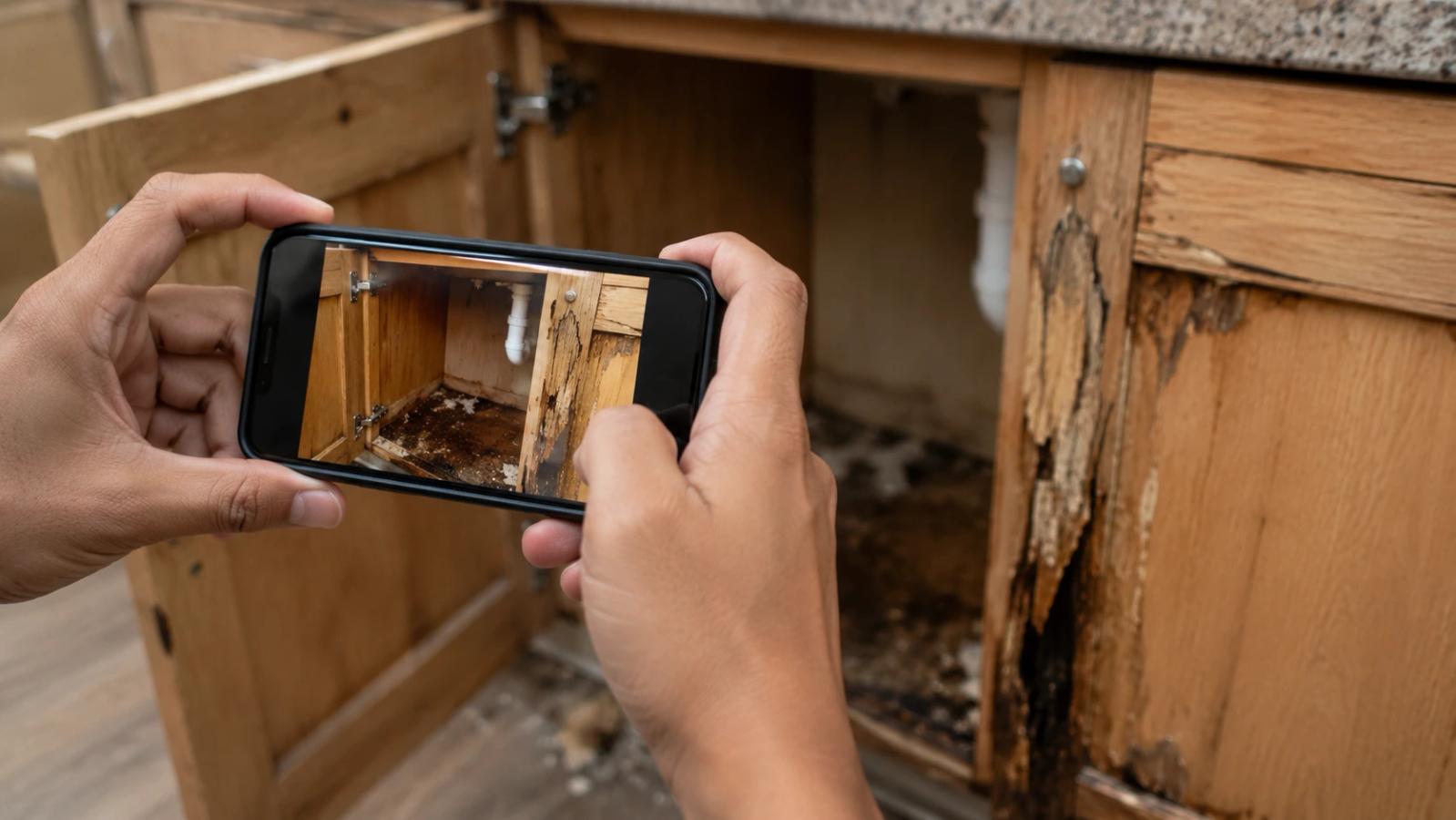
That distinction matters for how you plan the claim. If your kitchen drywall, flooring, or cabinets took on water, that side of the bill often has a real shot at coverage. Coverage also depends heavily on the specific policy, your deductible, any exclusions, and whether the insurer considers the failure sudden rather than the result of long-term neglect, like a pipe that clearly corroded for years before finally giving out.
Confirm coverage before authorizing extensive restoration work. Those photos from the moment you found the leak become your documentation if you need to show the insurer this was sudden rather than long-term neglect, so hold onto them along with any receipts for emergency mitigation. If you suspect the burst traces back to age or corrosion rather than a one-time event, a plumbing inspection on record from a licensed plumber gives you clear documentation of the actual cause either way.
Can You Fix a Burst Pipe Yourself?
For a genuinely small leak, sometimes. A pipe repair kit costs around $25 and can create a temporary seal on a pinhole leak or small crack, buying you time until a professional can get there. Epoxy putty works the same way for a short-term patch.
But treat both as exactly that: temporary. A DIY fix on a burst pipe doesn't address whatever caused the failure, whether that's water pressure that's too high for your plumbing system, corrosion that's already spread further than you can see, or a pipe material that's simply past its useful life. Homeowners who patch a burst pipe themselves and skip the professional repair often end up calling a plumber a few weeks later anyway, except now there's water damage on top of the original problem. If the pipe is in a wall, underground, or you're not confident the water is fully shut off, skip the DIY route and call a plumber first.
When Should You Worry About Pipes Bursting?
Before it happens, not after. A few warning signs are worth acting on:
- A sudden drop in water pressure, especially in one specific fixture
- Discolored water, which often means internal corrosion inside an older pipe
- Damp spots on walls, ceilings, or floors with no obvious source
- Unusual sounds, like banging or whistling, coming from inside your walls when you run water
- Any exposed pipe in a crawl space, garage, or basement during a hard freeze
Older homes across Dacula and the surrounding area are more likely to have aging pipe material that's simply due for replacement, not because anyone did anything wrong, but because pipes have a useful lifespan and eventually reach the end of it. A plumbing inspection every few years catches this before it turns into an emergency.


Freeze risk is real here too, even if it's easy to underestimate in a market known for mild winters. Average January lows in the Dacula area sit in the low-to-mid 30s°F, and the National Weather Service puts the average first freeze date for this part of Georgia somewhere between mid-October and mid-November. That's not constant winter exposure, but it's enough to catch an uninsulated pipe off guard. Exposed pipe in a garage, crawl space, exterior wall, or unheated utility area is worth checking before the first hard freeze rolls through.
Why Does Water Damage Cost More Than the Pipe Repair?
The repair bill for the pipe itself is often the smaller number. Water damage restoration turns a modest plumbing repair into a much larger project.
Once a section of drywall gets wet, it usually needs to come out, and patching or replacing it runs into real money once you factor in matching paint, texture, and whatever insulation sits behind it. The EPA recommends drying wet or damp materials within 24 to 48 hours of a leak to help prevent mold growth. That's a prevention target, not a guarantee: porous materials like drywall, carpet padding, and insulation can stay damp beneath the surface even after they feel dry to the touch, and mold can still take hold even inside that window. If it does take hold, remediation adds its own separate cost on top of the drying and repair work, and testing, containment, and reconstruction are often billed separately from the initial cleanup. Damaged flooring, cabinetry, and trim each carry their own repair costs as well.
This is the real reason acting fast matters more than finding the cheapest plumber. A homeowner who shuts off the water immediately and calls a plumber within the hour is often looking at a plumbing repair and light cleanup. A homeowner who doesn't notice until the next morning could be facing that same plumbing repair plus a full water damage restoration project layered on top, which is typically where the bigger number in a burst pipe claim actually comes from.
How Can You Prevent a Burst Pipe?
A little maintenance goes a long way toward keeping this expense off your budget entirely. Insulation works because it buys a pipe time. A wrapped or boxed-in line can sit at freezing for hours without failing, where an exposed one might not make it through a single hard night. Keep an eye on your home's water pressure too, since consistently high pressure stresses pipe joints and fittings over years, not days. And if your home is older and you've never had a plumbing inspection, it's worth having a plumber walk the system once and flag anything that's showing early signs of corrosion or wear.


None of this guarantees a pipe will never burst. But it's a lot cheaper than finding out the hard way.
Who Do You Call for a Burst Pipe in Dacula, GA?
The real cost of a burst pipe usually comes from the insurance claim it triggers, and that claim gets decided before the plumber even walks in the door.
Call a licensed plumber who can get to your home fast, not just the one with the lowest quoted hourly rate. And once the immediate problem is handled, don't skip the conversation about why it happened, because the next burst pipe is a lot less likely to catch you off guard.
If you're dealing with a burst pipe in Dacula or anywhere across Gwinnett County, get a licensed local plumber to your door fast: call Millennial Plumbing & Tankless at 470-727-6292. You'll get an honest read on what's actually happening behind that wall, and a plan for making sure it doesn't happen again.