





Who Installs a Garbage Disposal in Dacula: Plumber or Electrician?

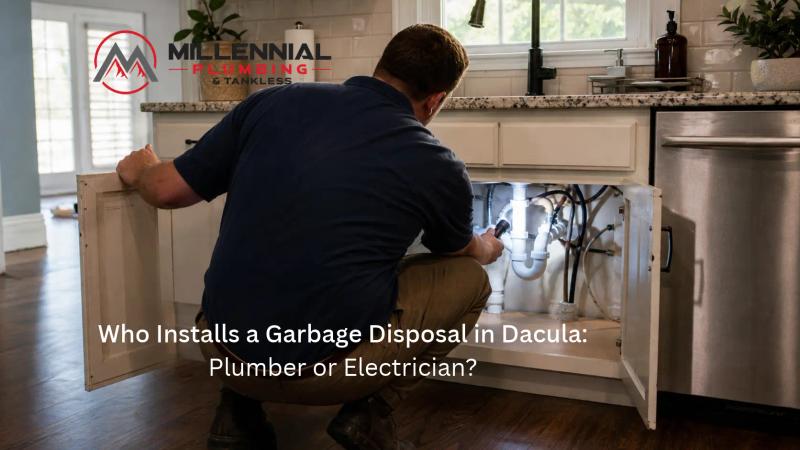
A plumber installs a garbage disposal, because most of the job is mounting the unit to the sink and connecting the drain lines. But whether you need a plumber or electrician, or both, comes down to one detail under your sink. Miss it, and a one-visit swap becomes two trades and two visits. In Georgia, the law decides which half of the job a plumber can touch.
So before you pick up the phone, open the cabinet under your kitchen sink. What you find there tells you who to call first.
Do You Need an Electrician to Install a Garbage Disposal?
Only if the power under your sink isn't ready for the new unit. A plug-in swap needs no electrician, a hardwired unit might, and a sink that never had a disposal usually does.
Replacing a Plug-In Disposal: Call a Plumber
Look for a power cord running from the bottom of the old unit to an outlet inside the cabinet. If it's there, call a plumber. Your new garbage disposal plugs into the same outlet, so no electrical work is involved.
It's the simplest version of the job, and the one most homeowners are dealing with.
Who Replaces a Hardwired Garbage Disposal?
No cord? If a cable runs into the bottom of the unit through a small cover plate, your disposal is hardwired. The plumbing side of the swap is the same as above. The difference is that someone has to disconnect and reconnect wiring at the unit.
Ask whoever you call whether they handle that connection before they come out. If they don't, you'll still need an electrician for that part, or you can have an electrician install an outlet so the new unit simply plugs in. One thing to check either way: many disposals are sold without a power cord, so look at the box before the visit.
First-Time Garbage Disposal Install: Electrician First, Then Plumber
This is the setup where homeowners get caught. If your sink never had one, there's probably no outlet and no wall switch under it. You need an electrician first to run the power, add the outlet, and wire the switch. Then the plumber comes in to mount the unit and connect it.
The plumbing changes can be bigger here too. A disposal sits lower than a plain sink drain, so the plumber may need to rework the tailpiece and the P-trap to make the existing plumbing fit. Book the electrician first. Calling the plumber first just means paying for two separate services and waiting on the second one anyway.
Is a Garbage Disposal Plumbing or Electrical?
Both. A garbage disposal is a plumbing appliance, installed under the kitchen sink, that grinds up food waste and sends it down your drain. It also has a motor, and garbage disposals require electricity to function, which is why the job sits right on the border between two trades.
In Georgia, that border is set by law. The State Construction Industry Licensing Board licenses plumbers and electrical contractors separately, and under Georgia Code § 43-14-8, no one can engage in electrical contracting without a license from the Division of Electrical Contractors. A licensed plumber is licensed for plumbing. New wiring of any kind is electrical work, and it belongs to an electrician.
That isn't paperwork trivia. If something goes wrong behind your wall a year from now, you want the person who touched the wiring to have been licensed to do it.
Can a Dishwasher and Garbage Disposal Share a Circuit?
Sometimes. It depends on the circuit and on what both manufacturers allow. Disposal manufacturers list the electrical requirements in the manual and on the unit's label, and some call for a circuit of their own.
Let an electrician make that call. The giveaway that a shared circuit is struggling is a breaker that trips every time you use the disposal while the dishwasher is running.
How Does a Plumber Install a Garbage Disposal?
Most of the work is plumbing, and most of the ways a disposal fails early start with a rushed install.
First, the power goes off at the breaker. The old unit comes down, and the plumber scrapes the old putty off the sink opening. The new sink flange gets set in fresh plumber's putty, and the mounting assembly is tightened from below so the flange can't shift. A loose flange is the most common source of that slow drip you find weeks later on the cabinet floor.
The unit hangs on the mounting ring and locks in. The discharge tube has to line up with the drain without strain, because a tube that's forced into place will eventually work loose from the vibration. If you have a dishwasher, the plumber knocks out the plastic plug inside the dishwasher inlet. New disposals ship with that inlet sealed, and if nobody removes the plug, your dishwasher can't drain.
Before anyone calls it done, water runs through the sink, the disposal runs, the dishwasher hose gets checked, and every connection is inspected until it's leak-free and up to code. A straight swap is usually a single visit. A new installation that needs drain changes takes longer.
An experienced plumber can also help you choose the right garbage disposal for your sink. Horsepower, grind chamber size, and noise level all vary, and a plumber who has seen the maintenance requirements of different models can point you toward one that will suit your plumbing system, so you don't end up with a unit that stalls on potato peels or rattles the cabinet every time it runs. If you're comparing the numbers, here's what plumbers charge to install a garbage disposal in Dacula, with labor and the unit broken out separately.
Can You Install a Garbage Disposal Yourself?
If you're handy and you're swapping a plug-in unit for the same style, yes, it's possible. Plenty of homeowners do it. But know where DIY installs go wrong before you start, because the failures rarely show up on day one.

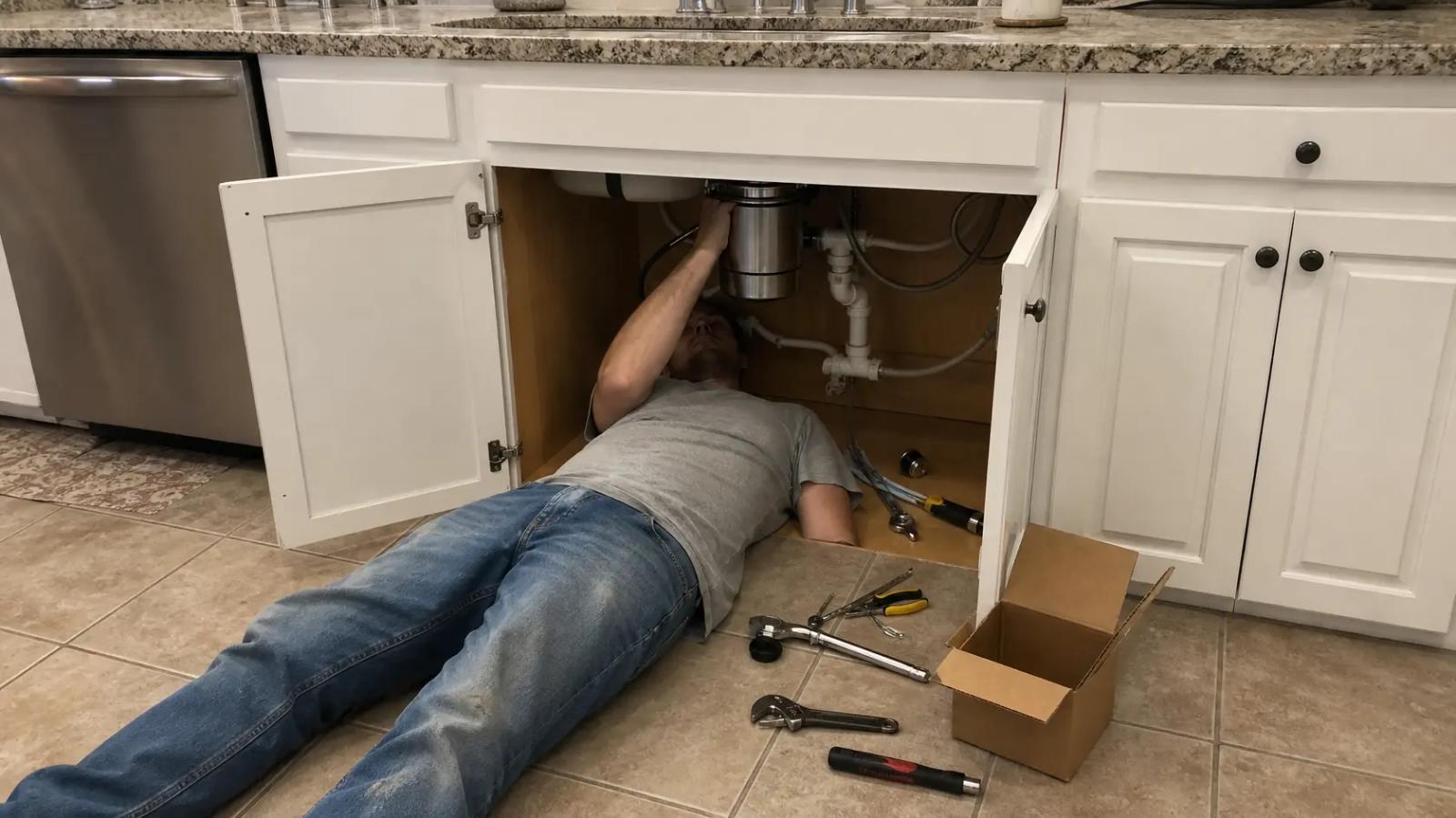
The three steps that go wrong are the same three a plumber takes the most care with: the flange seal, the dishwasher knockout plug, and the discharge tube. Each one fails slowly, so a DIY install can look fine for weeks before the cabinet floor goes soft.
The unit is also heavier and more awkward than it looks once you're lying on your back inside a cabinet, holding it up with one hand while you lock the mounting ring with the other.
Wiring changes the answer. Anything beyond plugging into an existing outlet, it's best to leave to a licensed electrician. A handyman can be a reasonable choice for a simple swap, but ask what they're licensed for before they touch anything connected to your drain or your wiring. If you want it done right the first time, hire a pro for the parts you aren't sure about.
If you'd rather not be the one lying under the sink, Millennial Plumbing & Tankless installs garbage disposals across Dacula and Gwinnett County. Call 470-727-6292.
Do You Call a Plumber to Fix a Garbage Disposal?
The same plumbing and electrical split applies when an existing disposal stops working. Most of the time you need a plumber, and some of the time you don't need anyone at all.

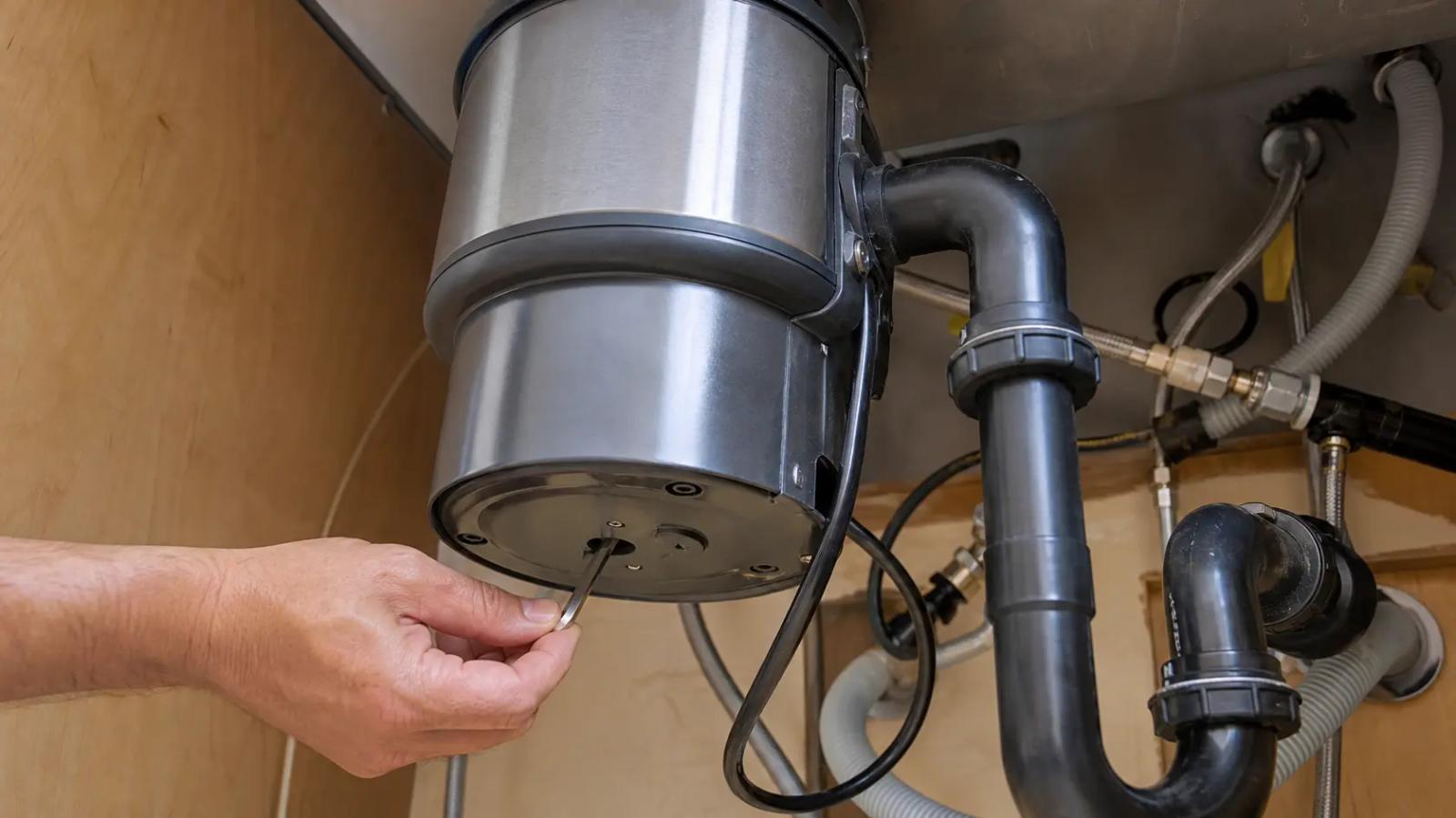
If the disposal is silent when you flip the switch, check three things before calling. Press the reset button on the bottom of the unit. Make sure the outlet has power by plugging in something else. Then check your breaker. If the unit is still dead after all three, the motor or the wiring at the unit has likely failed.
If it hums but won't spin, something is jammed. Turn off the power, then use a hex wrench in the socket on the bottom of the unit to work the grinding plate back and forth until it moves freely. Never put your hand inside.
Leaks and drainage problems always go to a plumber. Water dripping from the flange or the drain connections is a plumbing issue. So is a clogged kitchen sink that backs up when the disposal runs, because the clog is usually past the unit in the drain. Leaks under the cabinet and backed-up drains fall under kitchen sink repair, and plumbers can troubleshoot and fix both on the same visit.
You only need to hire an electrician if the outlet itself has no power and the breaker keeps tripping, or if the wiring feeding the unit is damaged.
Can You Use a Garbage Disposal on a Gwinnett Septic System?
This is the question most guides skip, and it matters here more than almost anywhere. According to the Georgia Department of Public Health, Gwinnett County has one of the greatest concentrations of septic systems in the United States, with an estimated 30 percent of residents on septic. The county's homeowner guide counts more than 90,000 home and business addresses on septic systems.
If you're one of them, a disposal changes how fast your tank fills. Everything you grind becomes solids in the tank, and Gwinnett County's septic guidance tells septic owners to avoid using their garbage disposal for exactly that reason. The homeowner guide adds that a home using a disposal will need its tank pumped more often, and it recommends checking with Gwinnett County Environmental Health if you have a disposal, to make sure your system can handle it.
Not sure whether you're on septic? The county says the simplest check is your water bill. If no sewer charge shows up on it, you're very likely on a septic system.
None of this means you can't have a disposal. It means your tank pays for every scrap you grind. If you keep one, scrape plates into the trash first, keep grease out of the sink, and use the disposal for scraps rather than whole meals.
Repair, Replace, or Remove Your Garbage Disposal in Dacula
Not every problem calls for a new unit. A jam, a tripped reset, or a leak at a loose connection is a garbage disposal repair. A plumber clears it or tightens it and you're done.
Replacement makes sense when the motor is dead after you've ruled out power, or when water leaks from the body of the unit itself. A cracked housing can't be sealed, and at that point you need a new disposal.
Removal is the third option, and it's more common than people expect, especially in septic homes. Taking a disposal out means reworking the drain. The plumber fits a standard sink tailpiece so the sink drains properly without it.
If you're in Dacula or anywhere in Gwinnett County and need help installing your garbage disposal or taking an old one out, you can get a straight answer on what the job needs before anyone picks up a wrench. Call Millennial Plumbing & Tankless at 470-727-6292 and tell us whether your unit plugs in or is hardwired, and whether you're on septic.