





How Often Should Plumbing Be Inspected by a Professional?


Homes less than 10 years old should have their plumbing inspected by a professional every two years, and older homes should be inspected once a year. But that schedule has a blind spot: your water heater and sewer line, the two parts most likely to flood a garage or back up into a bathtub, wear out on a clock of their own.
So the real answer to "how often should plumbing be inspected" depends on which part of the system you mean. For some newer homes, it's less often than most plumbers will tell you.
How Often Should Plumbing Be Inspected Based on Your Home's Age?
Age is the best single predictor of what's going on inside your plumbing system. Materials, fittings, and appliances all have a working life, and a house tends to hit those limits in waves.
| Home age | How often to inspect | Why | |
|---|---|---|---|
Under 10 years | Every two years | Modern materials, but installation mistakes and settling tend to show up early | |
10 to 30 years | Once a year | The original water heater, valves, and supply lines are aging out | |
Over 30 years | Once a year, plus a sewer camera inspection every one to two years | Older pipe materials and drain lines cause the most expensive failures |
One exception applies to every row. If you just bought the house, get a professional inspection within the first few months. You're inheriting someone else's maintenance habits, and a plumbing inspection by a licensed plumber tells you what you actually bought.
Any older home deserves extra attention to pipe material. Galvanized steel supply lines corrode from the inside out, and polybutylene, a gray plastic pipe installed in many homes from the late 1970s to the mid-1990s, is known for failing at the fittings without warning. If you're not sure what's in your walls, our guide to common plumbing issues in older Dacula homes walks through how to tell.
How Often Should a Water Heater and Sewer Line Be Inspected?

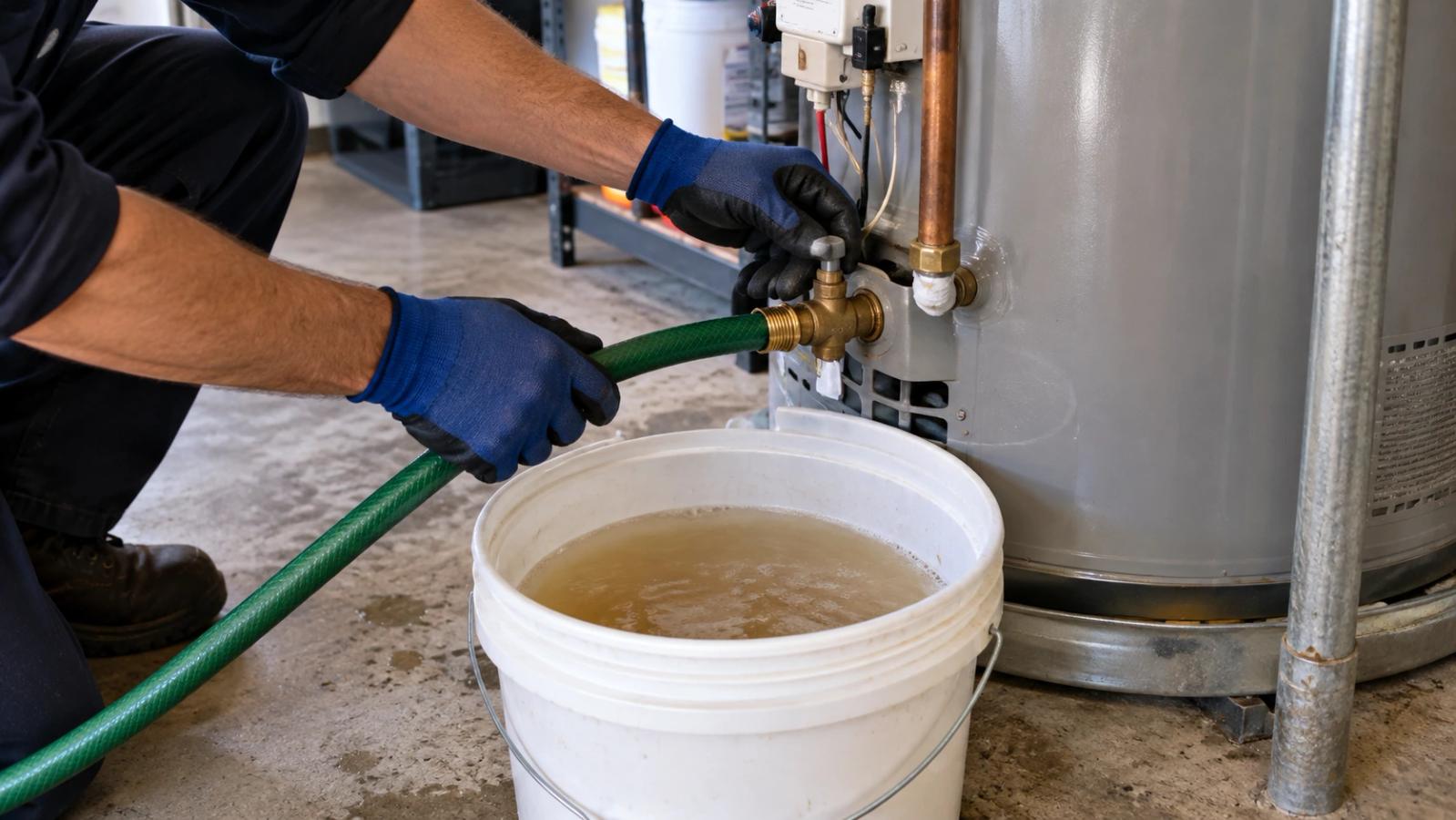
Your water heater: once a year. A tank unit collects sediment at the bottom, which makes it work harder and can shorten its life. An annual flush clears it out, and the same visit should include a test of the temperature and pressure relief valve, the safety device that keeps the tank from building dangerous pressure. Tankless units need annual descaling instead, since mineral scale builds up inside the heat exchanger and chokes off hot water. Gwinnett County's water, drawn from Lake Lanier, is on the soft side, averaging about 1.3 grains of hardness per gallon, so Dacula homeowners aren't fighting the heavy scale common in some parts of the country. Mineral buildup still happens over time, though, which is why annual service stays the baseline. Some tankless manufacturers also tie warranty coverage to documented maintenance, so check your owner's manual. If you can't remember the last time your unit was serviced, it's due, and that's exactly the kind of water heater maintenance and repair worth having a professional handle.
Your sewer line: a camera inspection every one to two years if you have mature trees or an older line. Tree roots go looking for moisture, and the joints in an aging sewer line are an easy place to find it. A camera inspection shows roots, cracks, and sagging sections long before you see a backup. Newer homes with no large trees near the line can usually skip this unless something seems off.
Supply pipes and drain lines don't need a separate schedule. Exposed pipes get checked for corrosion and leaks at every inspection, and the rest of the system gets evaluated through pressure, flow, and the condition of every fixture they feed.
If your home runs on a septic system instead of city sewer, that's a separate service with its own inspection and pumping schedule, usually set by your septic contractor.
Which Homes Need More Frequent Plumbing Inspections?
The age-based schedule assumes a typical household. Any of these situations can shorten that schedule, regardless of how old the house is.
- Large trees growing near the sewer line or water main
- Galvanized steel, polybutylene, or original cast iron pipes still in service
- A busy household or rental property where fixtures get heavy daily use
- A recent kitchen or bathroom renovation, where new connections are worth a second look within a few weeks
- Hard water leaving white crust on faucets and showerheads
- A home you're about to buy or sell
If two or more of those describe your house, treat once a year as the minimum.
What Plumbing Warning Signs Need an Immediate Inspection?
Schedules are for prevention. Symptoms mean something is already happening, and they shouldn't wait for your next scheduled visit.
- A sudden drop in water pressure
- Water that comes out rusty or smells off
- A slow drain that keeps coming back, or more than one drain backing up at once
- A water bill that jumps with no change in how often you use water
- Banging or gurgling from pipes or the tank
- Damp spots or soft drywall on a wall or ceiling

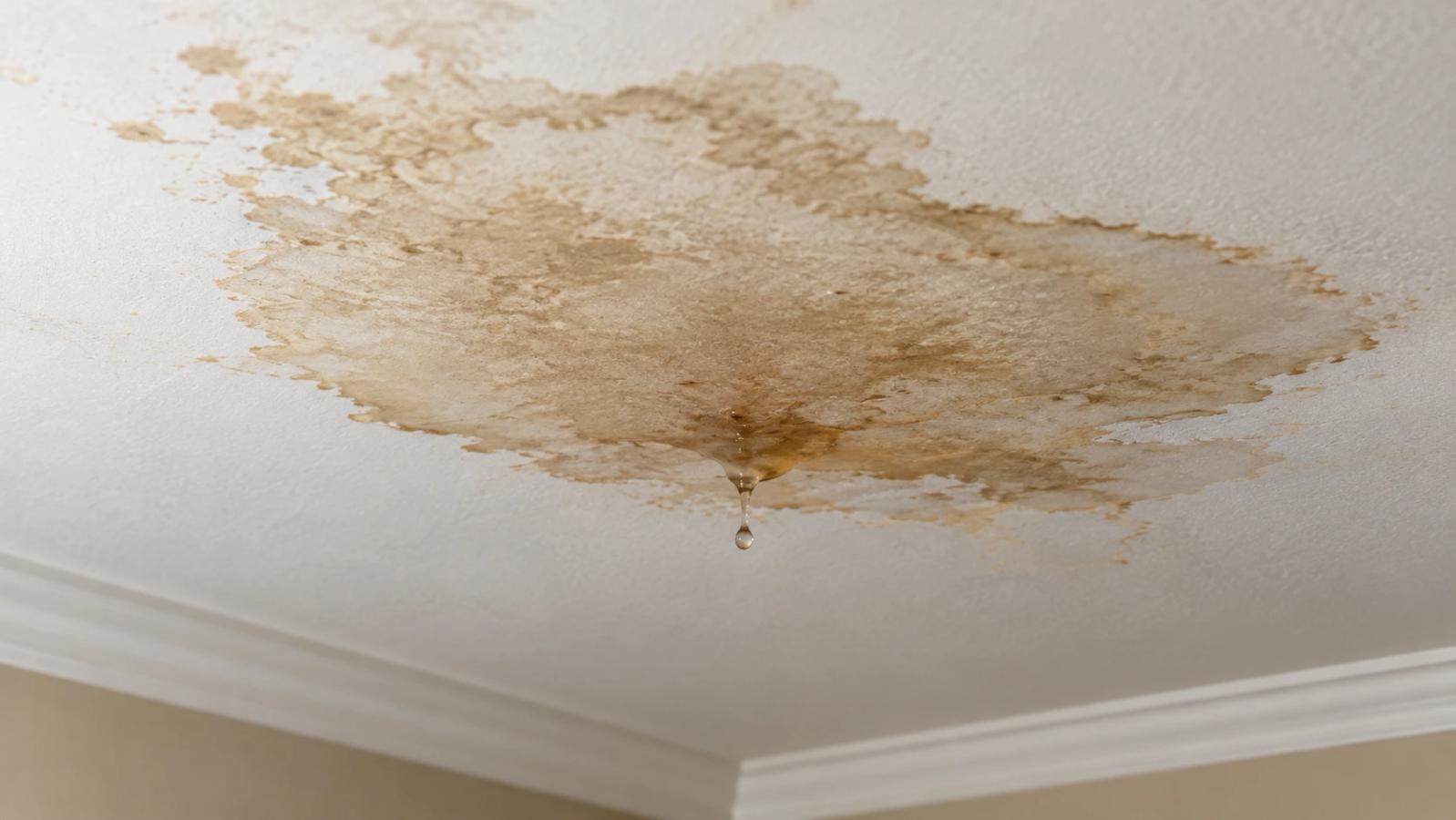
Plumbing leaks inside walls are the problem that most often goes unnoticed, because the damage builds for weeks before it shows. Most plumbing emergencies start as a drip under a sink or a faint stain on a ceiling that someone decided could wait.
What Does a Professional Plumbing Inspection Include?
A comprehensive plumbing inspection is a room-by-room evaluation of your entire plumbing system: everything that carries water into your home and waste out of it. Here's what a thorough plumbing inspection checklist includes:
- Water pressure. A gauge reading at a hose bib or faucet. Pressure that runs too high shortens the life of supply lines, washing machine hoses, and every fixture in the house.
- Water heater. Age, venting, gas or electrical connections, sediment, and the relief valve.
- Exposed pipes. Visible lines under sinks, in the basement, and in crawlspaces, checked for corrosion, leaks, and incompatible metals touching.
- Toilets. Flappers, fill valves, and the wax seal at the base. A toilet that rocks usually has a seal problem.
- Sinks, faucets, and showers. Drain speed, supply lines, traps, and the caulk around tubs and shower bases.
- Shut-off valves. Including the main shut-off valve, which you need to work the one time it matters.
- Drains and vents. How well the drain system flows and whether it's venting properly.
- Sewer line (optional). A camera inspection through the main cleanout when your home's age or trees call for it.
A good inspection ends with a straight answer: what needs attention now, what can wait, and what's fine as it is.
What Plumbing Checks Can You Do Yourself?
You don't need a plumber to catch most leaks early. The EPA recommends a few simple checks in its WaterSense leak-check guide, and they take less time than reading this article.

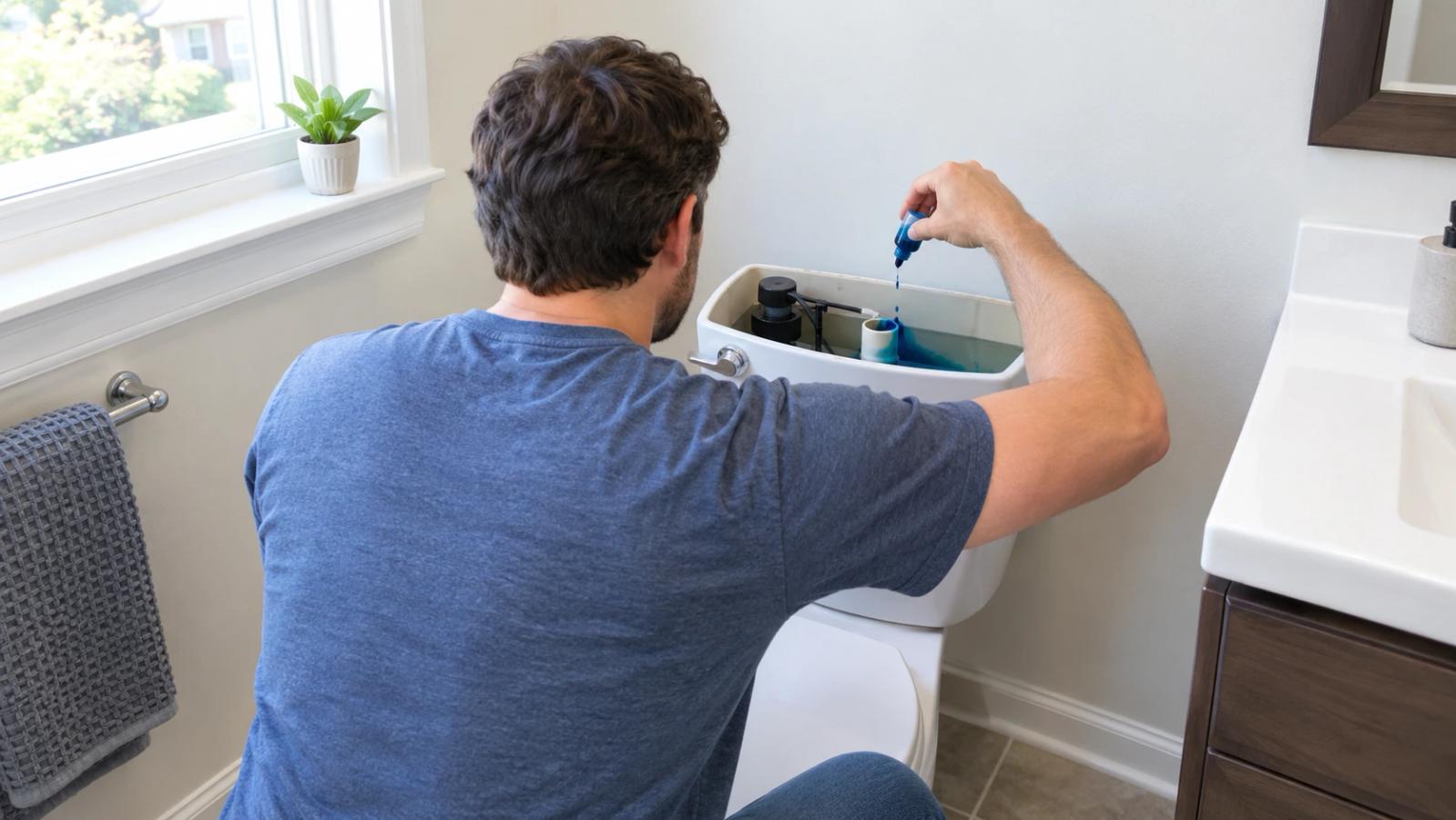
Start with your water meter. Note the reading, use no water for two hours, then check it again. If it moved, you have a leak somewhere. For toilets, put a few drops of food coloring in the tank and wait 10 minutes without flushing. Color in the bowl means the flapper is leaking, and the EPA recommends replacing flappers at least every five years anyway. Look under every sink for drips or water stains while you're at it.
One more check is worth adding. Turn your main shut-off valve once or twice a year so it doesn't seize.
What you can't check yourself is the part of your plumbing system behind the walls and under the yard. A professional inspection covers that gap.
Are Plumbing Inspections Worth It?
For some homes, an inspection every year is overkill. If your home is less than 10 years old, has no trees near the sewer line, shows no warning signs, and you do the simple checks above, an inspection every two years is plenty. Some plumbers will tell you that's more than you need.
For everyone else, the math leans hard toward inspecting. According to the EPA, the average household's leaks waste more than 9,300 gallons of water a year, and fixing the easy ones can cut water bills by about 10 percent.
The bigger risk is what a leak turns into. Insurance Information Institute data shows about one in every 67 insured homes files a water damage or freezing claim each year, and the average claim from 2019 through 2023 was $15,400. That's the price of a slow leak or a root-choked sewer line nobody caught in time: water damage, mold, and a repair that takes days instead of an hour.
Regular inspections let you plan repairs instead of reacting to them. You find out the water heater is near the end of its life while it still works, not on the morning it floods the garage.
Common Questions About Plumbing Inspections
Schedule a Plumbing Inspection in Dacula, GA
If you can't remember the last time someone looked at your plumbing, you're due. Millennial Plumbing & Tankless handles plumbing inspections for homeowners throughout Dacula and Gwinnett County, Monday through Saturday from 6 a.m. to 9 p.m. Call 470-727-6292 for a straight answer on what your plumbing system needs and what can wait.