





Hydro Jetting vs. Snaking: Which One Does Your Home Need?

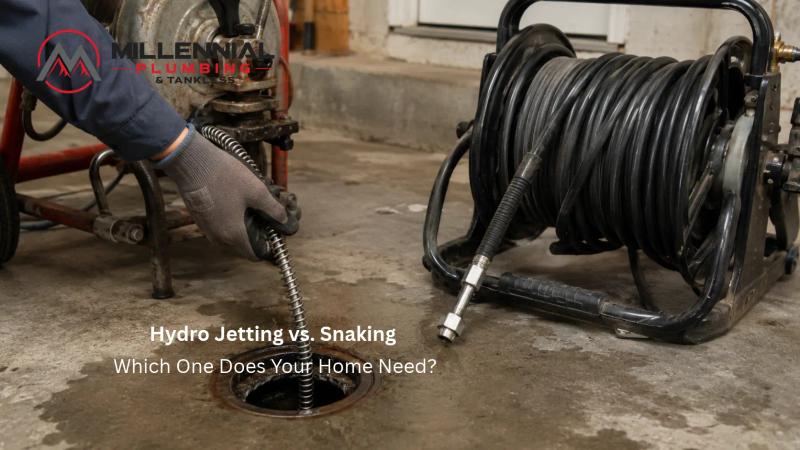
Snaking punches a hole through a clog. Hydro jetting cleans the entire pipe. That's the whole difference between hydro jetting vs snaking on paper, and it's also why most homeowners pick the wrong one: they don't find out which problem they actually have until the same drain backs up again a month later.
That's the part nobody tells you up front. A snake can clear a slow drain in twenty minutes and make the problem look solved. Then it comes back in six weeks, in the same spot, and you're calling a plumber again wondering what went wrong. Nothing went wrong. You just used a tool built to open a path, not remove what caused the blockage in the first place.
What Snaking Actually Does
A plumber's snake, also called an auger, is a metal cable, usually coiled steel, fed down the drain by hand or with a small motor. The end of the drain snake either hooks the clog and pulls it out or grinds through it with a rotating head. Either way, the goal is the same: restore flow.
Snaking works by contact. The cable touches the blockage directly and breaks it apart or drags it loose. It doesn't reach the rest of the pipe. If there's grease coating the walls three feet past where the clog was, the snake never touches it, and the next snake you call will find it again.

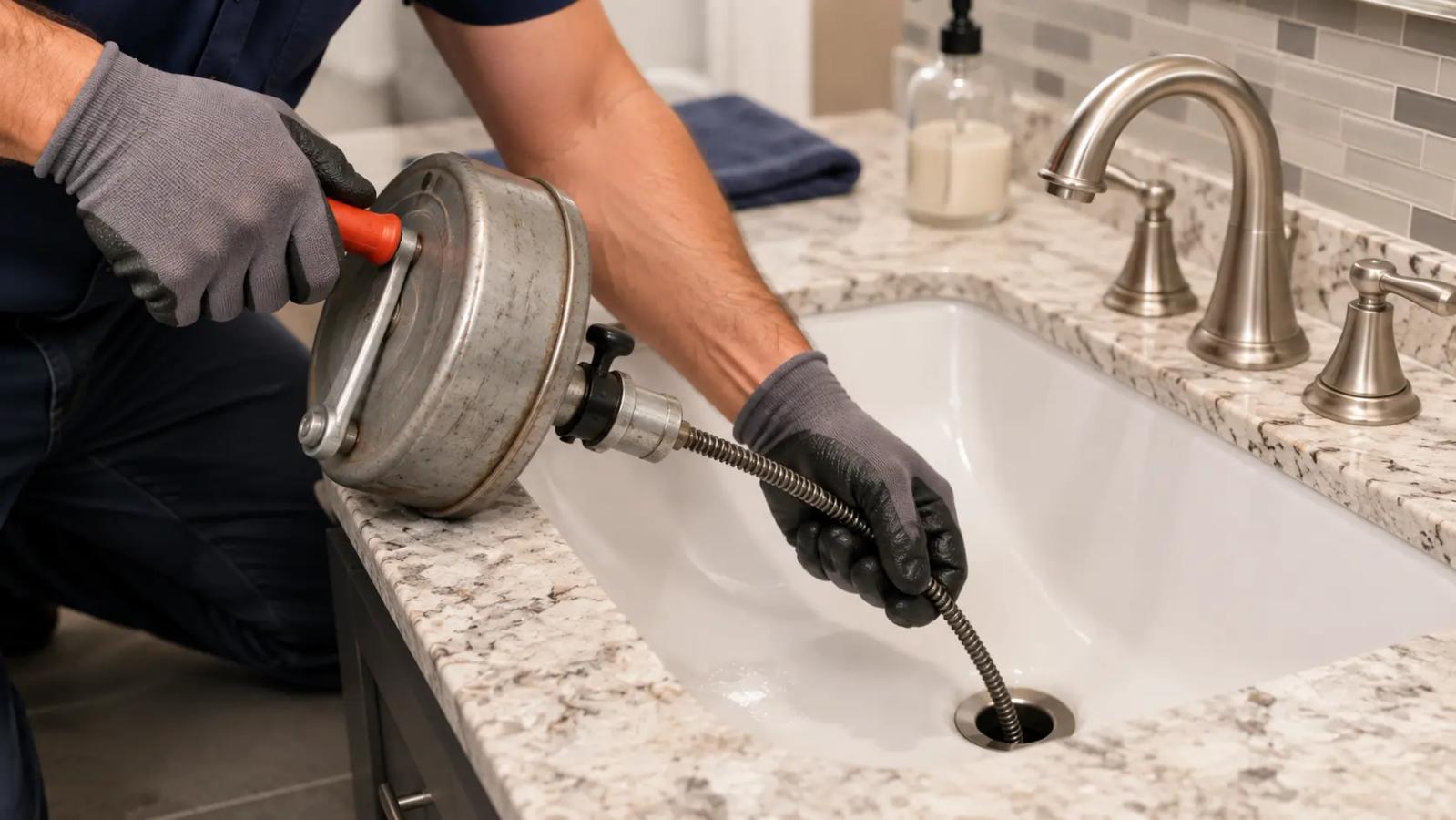
A snake is built to clear what's directly in front of it, nothing more. A simple clog in a sink, a hair clog in the shower, a single blocked toilet line: a snake handles all of these fast and without disturbing anything else in the plumbing system. For a lot of calls, it's the right answer.
What Hydro Jetting Actually Does
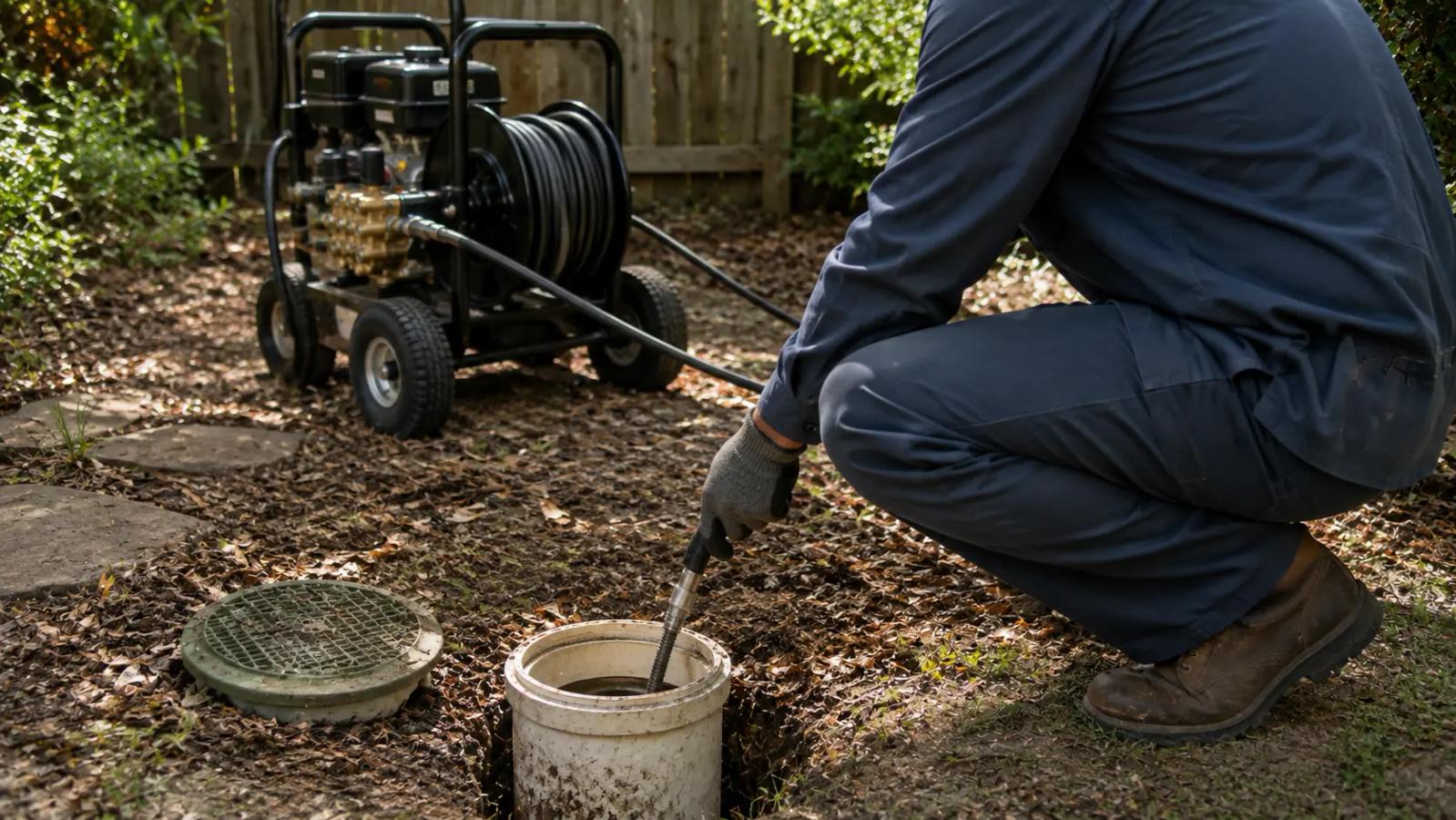
Hydro jetting uses a hose fitted with a specialized nozzle, fed into the pipe and connected to a pump that pushes water out at high pressure, often in the thousands of PSI. That pressure doesn't just push through the clog. It scours the entire pipe wall, front to back, unlike snaking, which only opens a path through whatever is blocking the drain.
Every inch the nozzle passes through gets cleaned, not just the section where the clog sat. That's why hydro jetting is the call for a main sewer line that keeps backing up, a kitchen line thick with years of grease, or a sewer pipe where tree roots have worked their way through a joint. Hydro jetting removes buildup a snake would leave behind entirely. It's the same method Gwinnett County's own water department uses to keep the public sewer system clear, for exactly the same reason.

Before jetting, a camera inspection is worth doing. It tells you what the pipe is dealing with, and just as important, what kind of pipe you're dealing with. That distinction matters more than most guides let on, because pushed against the wrong pipe, that same pressure can damage pipes instead of cleaning them.
Hydro Jetting vs. Snaking: Side by Side
| Snaking | Hydro Jetting | ||
|---|---|---|---|
What it does | Breaks through or pulls out the clog | Cleans the entire pipe wall | |
Best for | Simple clogs in a single fixture | Recurring blockages, grease buildup, root intrusion | |
Leaves behind | Residue on pipe walls | Little to no residue | |
Pipe condition needed | Works on most pipes, including older ones | Needs pipes intact enough to handle the pressure | |
Typical use case | One-off clog: sink, shower, toilet | Main sewer, recurring kitchen drain, tree roots |
When Snaking Is the Right Call
If you've got one drain acting up and nothing else, snaking is usually the faster, less invasive fix. A single clogged sink drain. A bathroom shower draining slow because of hair and soap scum. A toilet blocked by something that shouldn't have gone down it. These are contained problems, one drain at a time, and a snake clears them well without a full drain cleaning visit.
Snaking is also the better first move on older plumbing. If your pipes are original to a home built decades ago, especially anything with cast iron or clay sections, a snake puts far less stress on the line than a high-pressure jet does. You're not trying to deep-clean a fragile system. You're trying to get water moving again without creating a new problem, and without risking damage to pipes that have already had decades to weaken.
When You Need Hydro Jetting Instead
Three snakings on the same kitchen line this year is the tell. Buildup is still coating the pipe wall. It catches the next batch of grease before it even makes it down the line.
Tree root intrusion and multiple drains backing up at once are the other two signals. Roots don't stop at the surface. They push into joints and cracks in search of moisture, and a snake can only chip at what's directly in front of it. If more than one drain backs up toward the main sewer at the same time, that usually points to buildup deep in the system rather than a single blockage, and it's the kind of clog a drain snake was never designed to remove. Either way, hydro jetting cleans the sewer line the whole way through, which is the difference between a fix that lasts and one that buys a few more weeks.
Can Hydro Jetting Damage Old Pipes?
Yes, if the pipe isn't strong enough to take it. Most articles go quiet here, because it's easier to sell hydro jetting as the upgrade than to explain when it isn't the right move.

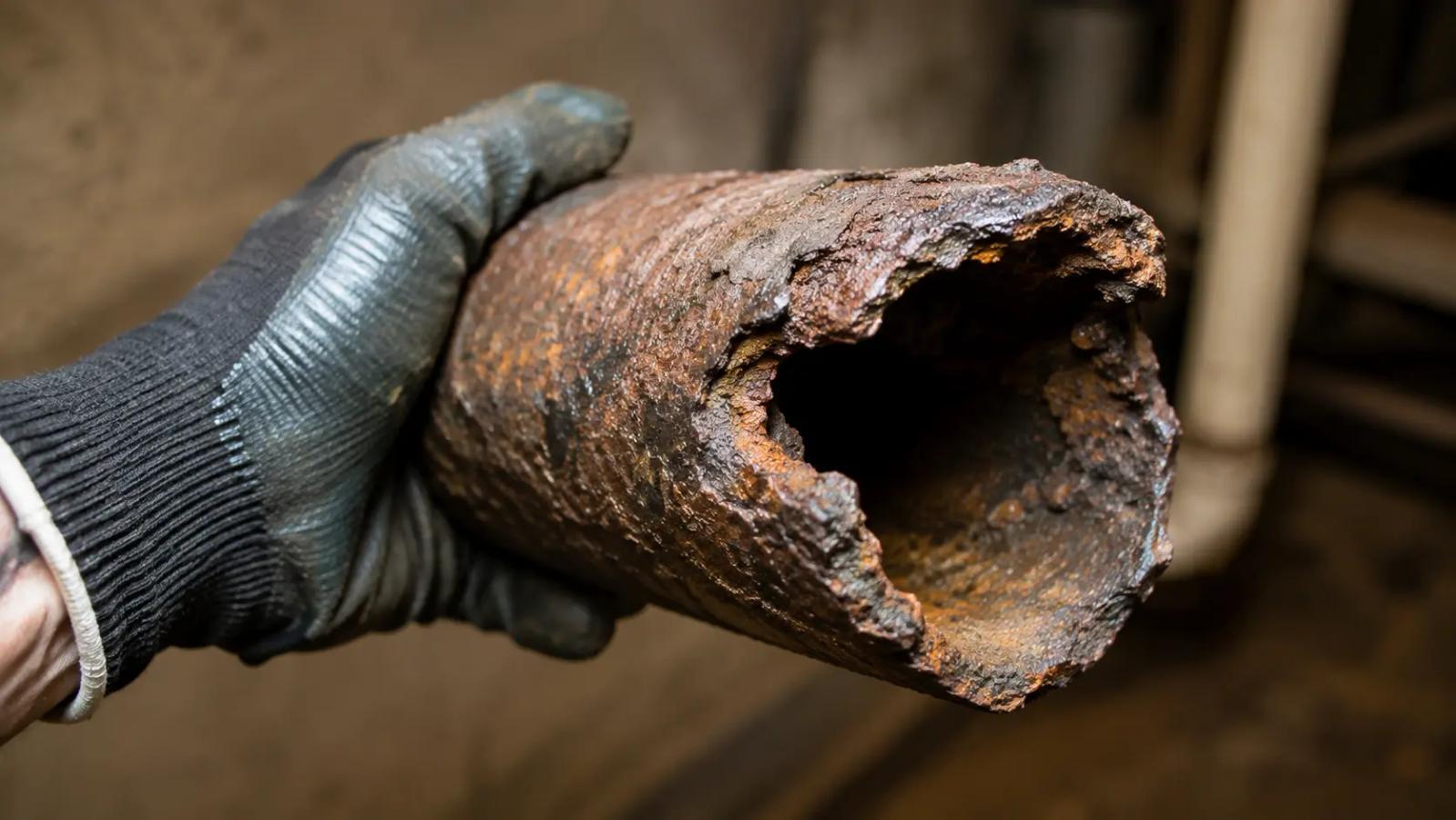
Not every pipe can handle high-pressure water. Older cast iron corroded from the inside, or clay sewer pipe that's shifted or cracked over decades in the ground, can suffer real pipe damage from the same pressure that would clean a healthy PVC line without issue. A camera inspection before jetting settles whether the pipe can take it, or whether snaking, or a more targeted repair, is the safer path.
This is exactly the kind of call that separates someone who's actually crawled under enough Gwinnett County homes from someone working off a checklist. Homes built before the 1980s in this area often still have original cast iron or clay runs, sometimes only partially updated. Newer construction is almost always PVC, which handles jetting without much concern. Knowing which one you're standing on top of changes the entire recommendation.
How We Decide: Snake or Jet
The right method is never the same for every house. It depends on the age of the pipe, what's causing the clog, and whether this is a one-time problem or the third call this year for the same drain.

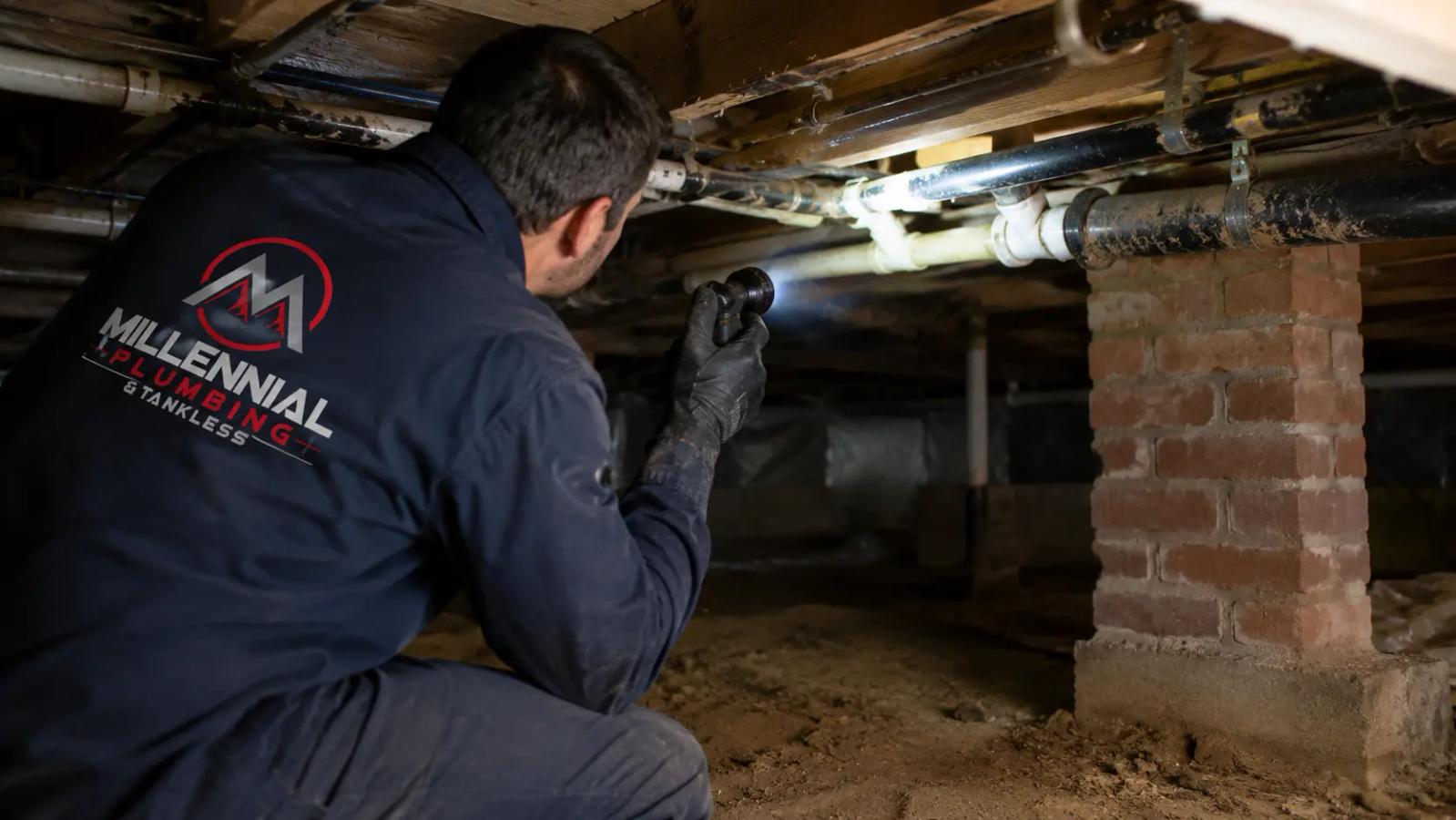
Phillip has been doing this work for 25 years, and the calls that go wrong aren't the hard ones. They're the ones where somebody reached for the bigger tool because it sounded like the better fix, without checking what was actually in the ground. A pipe doesn't care how confident the equipment looks. It only cares whether it can handle the pressure.
Once we know what we're dealing with, the choice is usually straightforward. A contained clog in sound pipe gets snaked. Buildup, grease, or root intrusion means the pipe gets jetted instead. Something that looks structurally weak on camera gets a repair conversation before anything else happens.
If a drain in your home keeps coming back no matter how many times it's been snaked, or you're not sure whether your pipes are old enough that a hydro jetting job needs a second look before anyone reaches for a snake, that's worth a call to Millennial Plumbing & Tankless at 470-727-6292. We'll tell you straight which one your pipe actually needs, snake or jet.